Inspection Technology
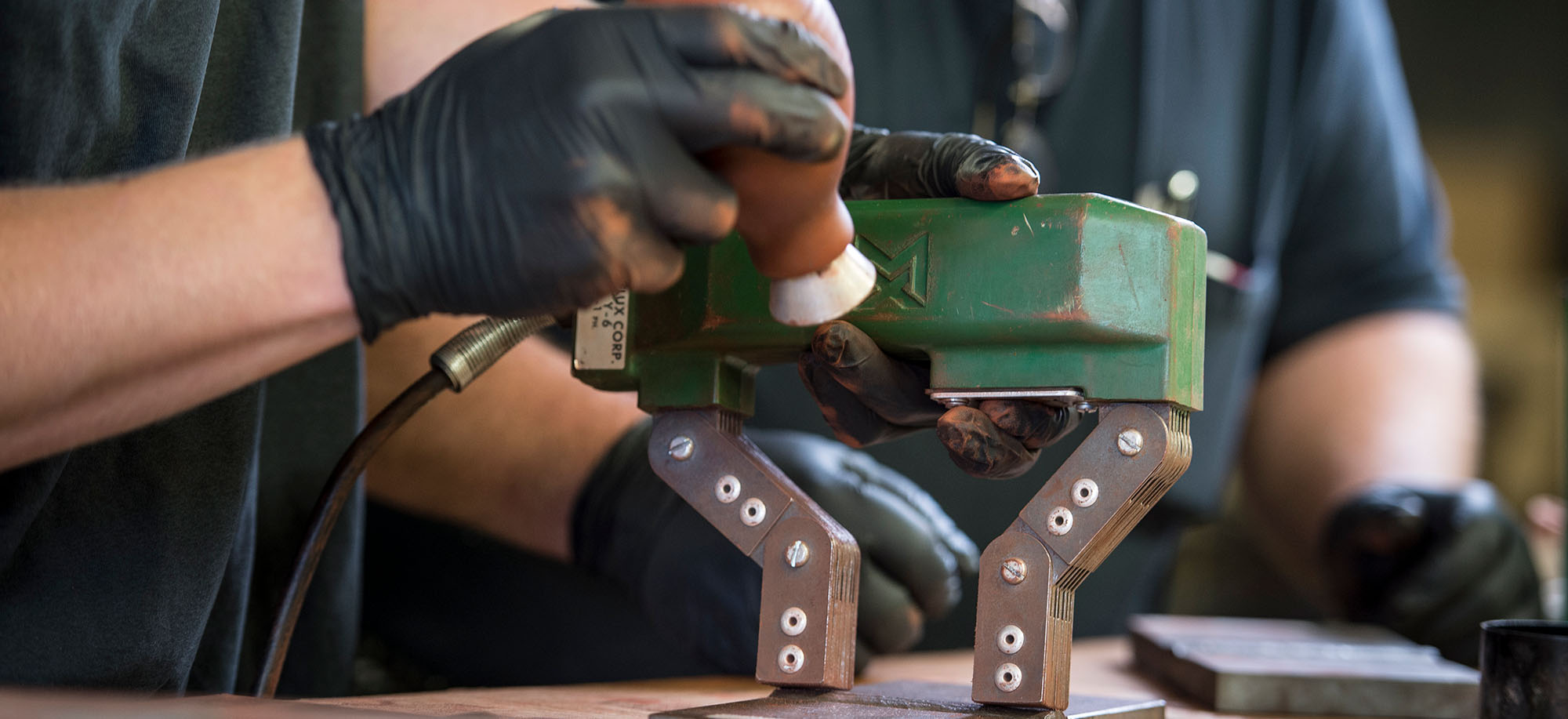
As an inspection technology student, you'll learn to perform nondestructive testing on materials, parts, components, and pressurized systems. You'll use quality assurance and materials science to help keep aircraft, chemical plants, pipelines, and bridges safe. Hands-on classes and labs prepare you for national certifications and a rewarding career in a high-demand field.
Why study Inspection Technology at San Jac?
Build Hands-On Inspection Skills
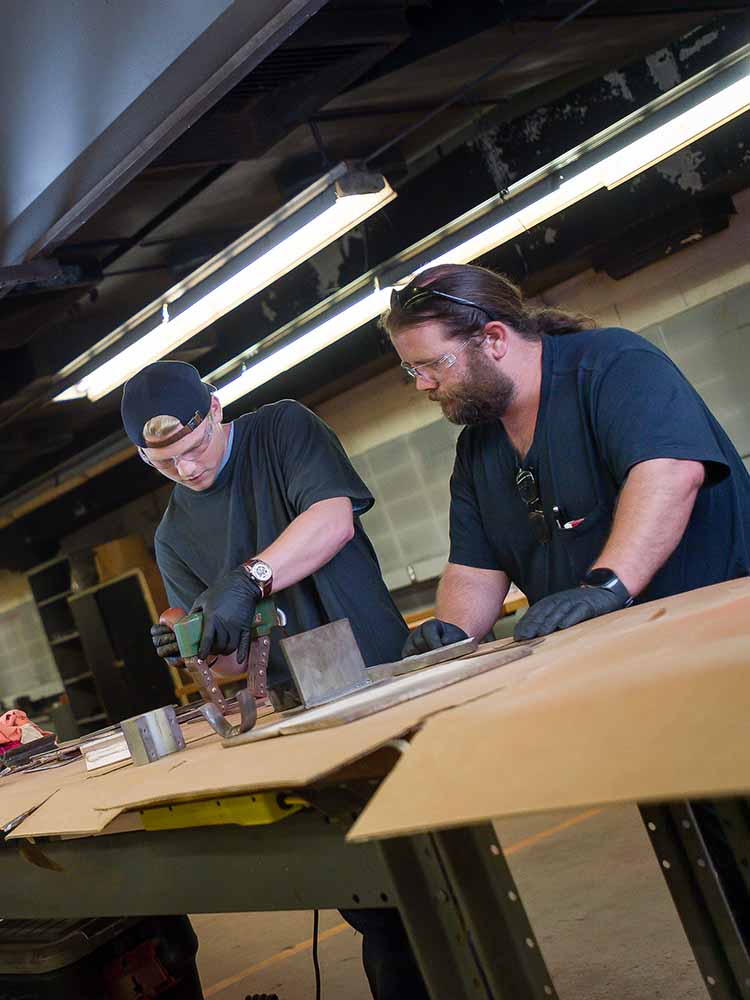
At San Jac, you'll learn nondestructive testing (NDT) methods, corrosion control, welding inspection, and industry codes. You'll build hands-on skills used in today's refineries, petrochemical plants, and manufacturing facilities.
Protect Critical Equipment
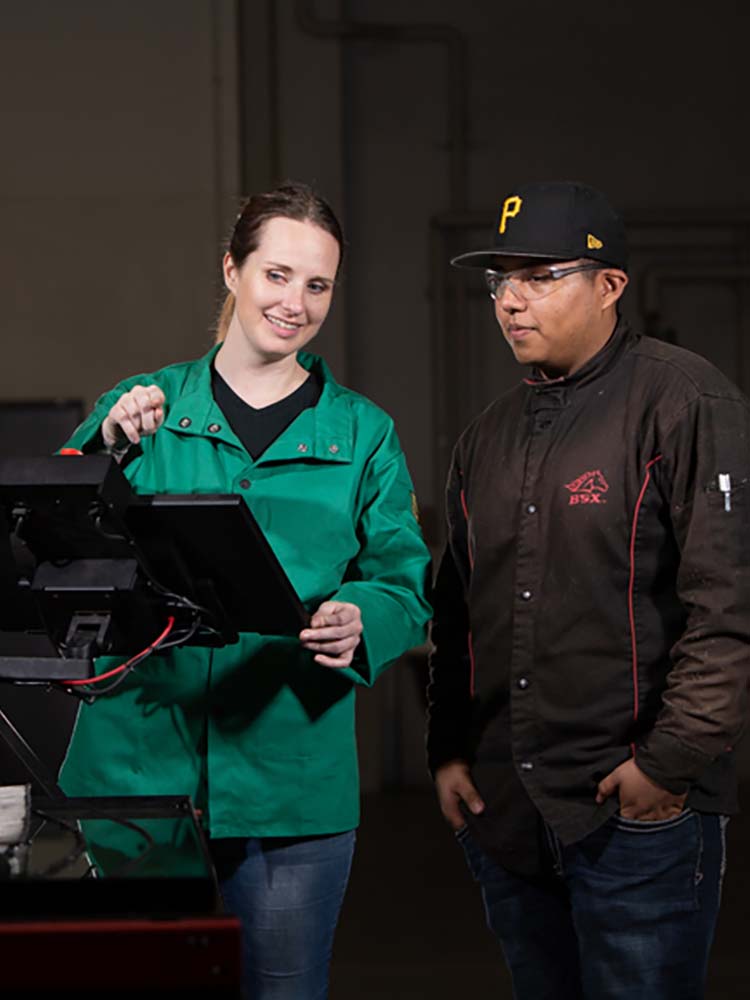
Learn how nondestructive inspection and fixed equipment inspection help evaluate pressure vessels, piping, tanks, and other equipment. You'll help keep industrial facilities safe, reliable, and running efficiently by identifying potential problems before they lead to costly failures.
Prepare for Industry Certifications
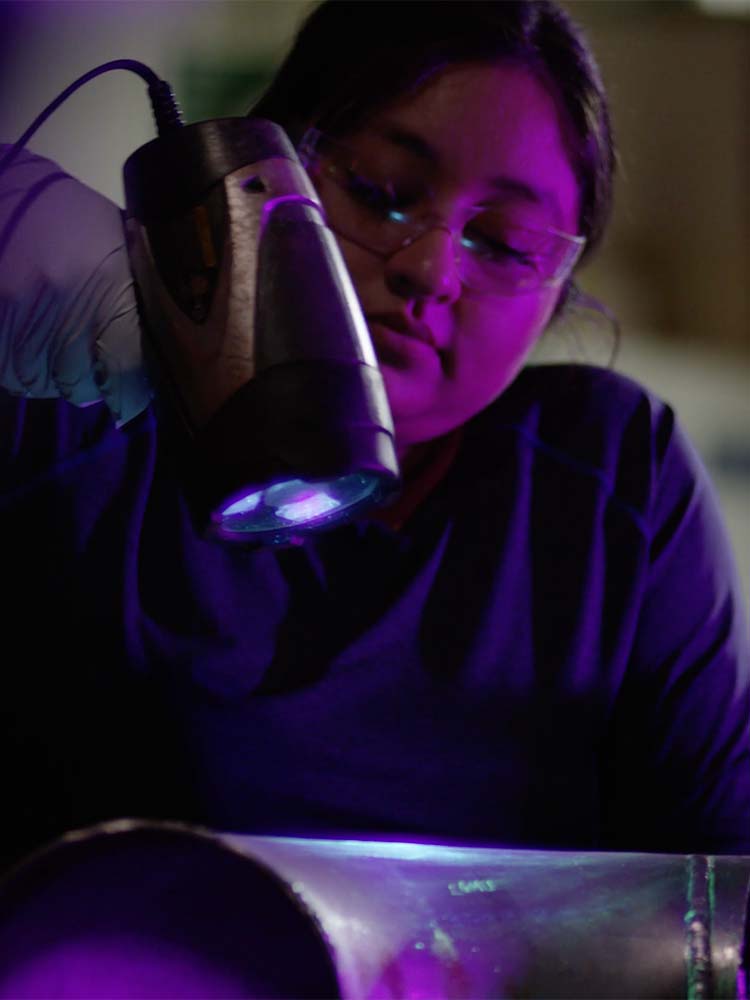
You'll prepare for certifications offered by the American Petroleum Institute (API), the American Society for Nondestructive Testing (ASNT), the American Welding Society (AWS), and AMPP (formerly NACE International).
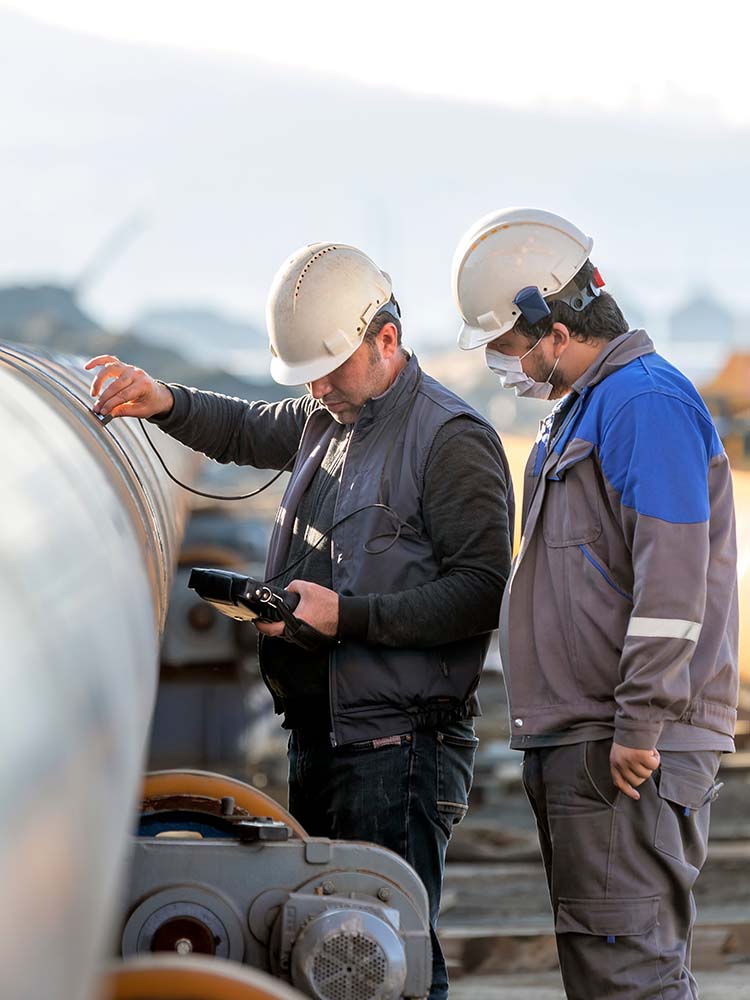
Advance Your Industrial Career
Whether you're starting your career or building on your experience, you'll gain specialized inspection and nondestructive testing knowledge. Employers across the Gulf Coast's refining, petrochemical, manufacturing, and energy industries value these skills.
Careers
Inspection technologists work in a wide range of industries, giving you the flexibility to choose the career path that fits your interests. You may find opportunities in petrochemical, maritime, fabrication, welding, pipeline, turbine, aerospace, and many other industries.
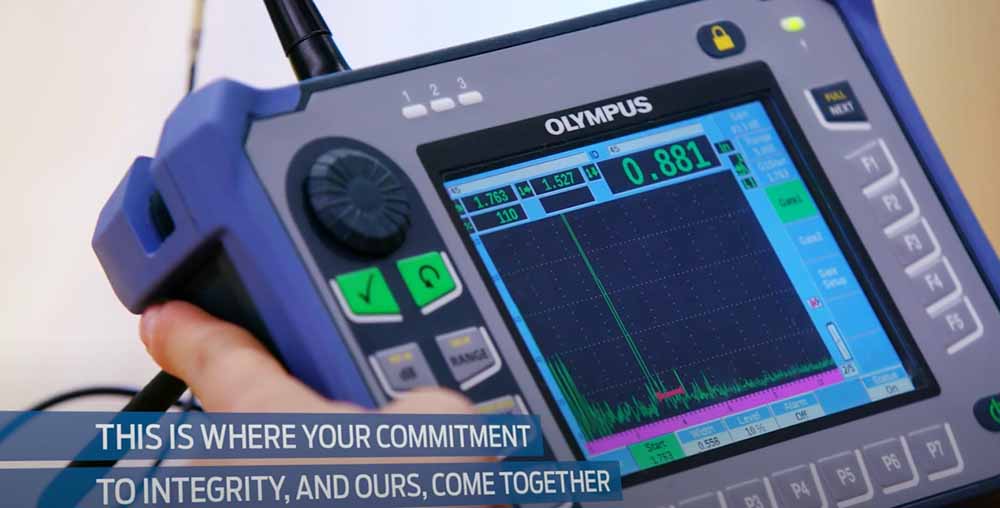 Play Video
DEGREES & CERTIFICATES
Fixed Equipment Inspection Technology, AAS
Fixed Equipment, Level 2 Certificate
Nondestructive Testing Technology, AAS
Nondestructive Testing Technology, Certificate of Technology
Nondestructive Testing Technology, Level 2 Certificate
CAREER TRACKS
The content below shows a flowchart of the career tracks.

Sounds great, but how do I apply?
Your questions answered
This program is a good fit if you enjoy solving problems, paying attention to detail, and working in industrial environments. It's also an excellent option for experienced industry professionals looking to expand their knowledge.
Both programs prepare you for careers in industrial inspection, but they focus on different areas of the field.
The Fixed Equipment Inspection Technology AAS focuses on inspecting pressure vessels, piping, storage tanks, and welds. You'll learn about corrosion, industry codes, and inspection methods used to help keep industrial facilities safe, reliable, and operating efficiently.
The Nondestructive Testing (NDT) Technology AAS focuses on evaluating materials and equipment without causing damage. You'll gain hands-on training in methods such as ultrasonic testing, radiographic testing, magnetic particle testing, liquid penetrant testing. You'll also receive training to identify flaws and evaluate the condition of equipment through visual inspection.
If you're interested in inspecting equipment to help ensure it meets industry standards,
Fixed Equipment Inspection Technology may be the best fit. If you're interested in using specialized testing methods to
detect flaws in materials and equipment, Nondestructive Testing Technology may be a better choice.
Yes. The program provides the education needed to prepare for industry certifications offered by the American Society for Nondestructive Testing (ASNT), the American Petroleum Institute (API), the American Welding Society (AWS), and AMPP (formerly NACE International).
Some advanced inspection courses help directly prepare you for certifications, including:
- NDTE 2440 Pressure Vessel Inspection - prepares you for API 510 (Pressure Vessel Inspector)
- NDTE 2439 Pressure Piping and Valve Inspection - prepares you for API 570 (Piping Inspector)
- NDTE 2411 Welding Inspection - prepares you for the Certified Welding Inspector (CWI)
If you plan to pursue certifications like API 510, API 570, or API 653, you'll need
five years of industry experience before you're eligible to take those exams. San Jac's courses are designed to help
you build the knowledge you need while you gain that experience.
Yes. You'll gain practical experience using inspection techniques and equipment while
applying industry standards to real-world scenarios.
This program prepares you for careers across many industries, including petrochemical, refining, maritime, fabrication, welding, pipeline, aerospace, manufacturing, and energy.
Depending on your interests and experience, you may work as a:
- NDT Technicians in: VT, PT, MT, UT, ET, and RFI
- UT Flaw Sizing and Phased Array Inspectors PAUT
- AWS - Certified Welding Inspectors (CWI)
- API Inspectors - API 510, API 570, API 577/578
- Quality Technicians, Inspectors, or Managers
- Metallurgical, Corrosion, or Coating Technicians
The program also helps prepare you for career advancement through industry certifications, including API and Certified Welding Inspector (CWI) credentials.

Support for your studies

Related Programs
Start a Career That’s Out of This World
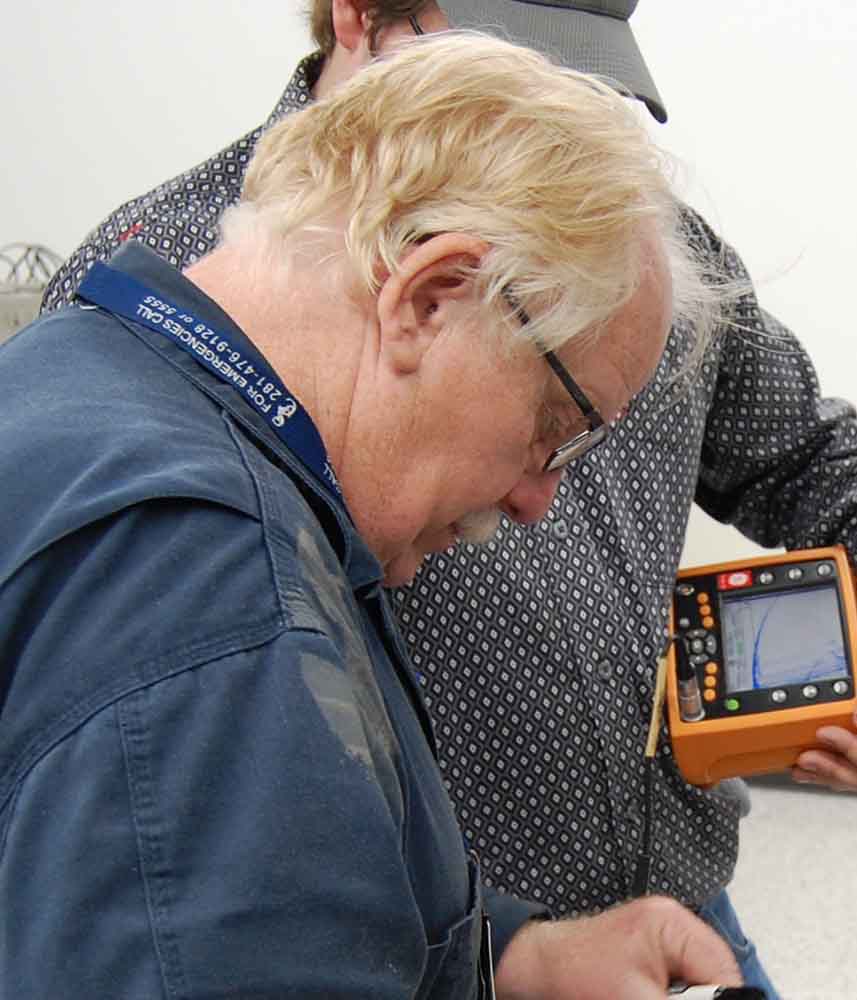
Not only does Stephen help students launch careers in inspection technology, he boasts
quite the resume of his own. His job has taken him all over the world and beyond—including
working on the International Space Station.
"Our program has been rated top in the country. I’m proud of the exceptional students
that graduate from our program. Many get hired before graduation and go to work for
local contractors."
Stephen Rowland
Inspection Technology Program Director at San Jacinto College